


If you drive a vehicle built in the last several years, there is a good chance it quietly watches the road for you. Features like lane departure warning, automatic emergency braking, blind spot monitoring, and adaptive cruise control are grouped together as ADAS, short for Advanced Driver Assistance Systems.
Many of those systems depend on a small camera mounted to your windshield, right behind the rearview mirror. That is why, in Cincinnati and everywhere else, a modern windshield replacement is not really finished until the camera is recalibrated. Here is what that means and why it matters for your safety.
What ADAS actually does
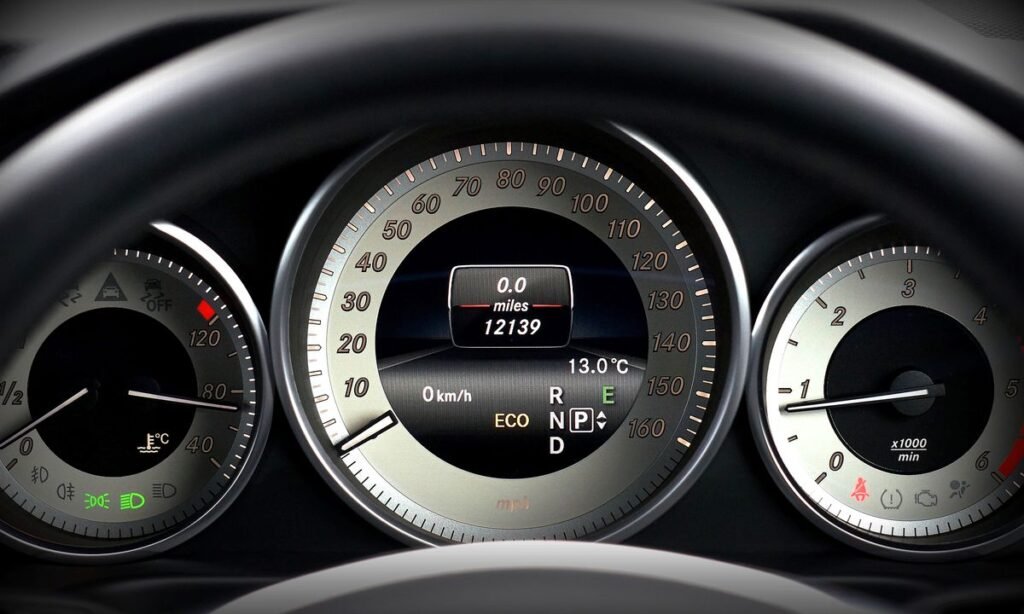
ADAS is the technology that helps keep you centered in your lane, warns you about a vehicle in your blind spot, and can even apply the brakes if traffic stops suddenly ahead. Whether you are climbing the hills on I-71 or crossing the river, those systems are quietly working in the background.
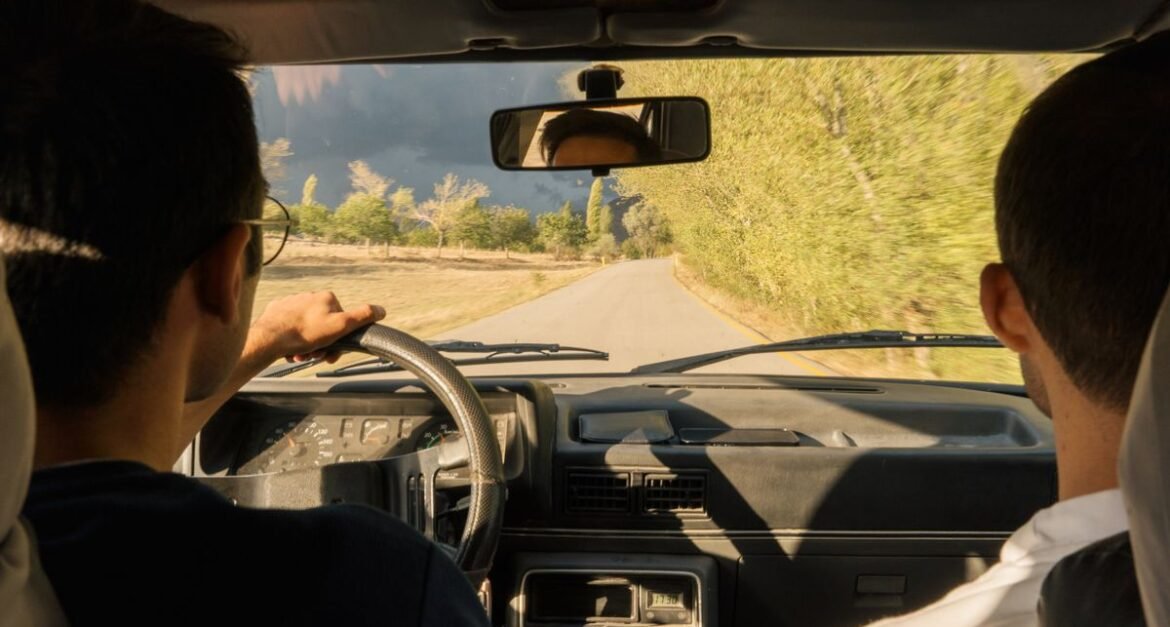
On most vehicles a forward-facing camera sits behind the rearview mirror and looks out through the windshield. It reads lane lines, road signs, and the vehicles around you, then feeds that information to the car’s computer so the safety systems can react in time. Because it sees the entire world through your windshield, the glass in front of it has to be exactly right.
Why a new windshield changes everything
That camera is aimed with incredible precision, often down to fractions of a degree. When a windshield is replaced, the camera is removed and then reinstalled, and the new glass can sit at a slightly different angle or thickness than the original.
Even a difference of a few millimeters, or an aim that is off by a tiny fraction, can change where the camera thinks the road is. Recalibration re-aims the camera to the new glass so the system measures lane position and distance correctly again. Without it, the camera may be looking at a slightly different spot than the car assumes, and the math behind your safety features quietly falls out of line.
Static vs dynamic calibration
There are two ways to recalibrate, and some vehicles need one, the other, or both:
- Static calibration is done in the shop using targets placed at exact distances in front of the vehicle
- Dynamic calibration is done by driving the vehicle at a set speed on well-marked roads while the system relearns
Which method your vehicle needs depends on the make, model, and year. The important part is not the method but the result: the camera has to be confirmed accurate before you rely on those features again, and that takes the right equipment and the manufacturer’s specifications.
What happens if you skip it
A windshield replacement without calibration can look and feel perfectly normal, which is exactly what makes skipping it risky. The glass is clear, the car drives fine, and nothing obvious seems wrong.
Under the surface, though, the safety systems could be reading the road incorrectly. Lane keeping might nudge the wheel at the wrong moment, and automatic braking might react late, too early, or not at all. These are the systems you count on in an emergency, so it is not a corner worth cutting. Many manufacturers now require calibration any time the windshield is replaced, and some vehicles will show a warning light until it is done.
What to expect when we calibrate
Calibration is a precise but routine part of the job for a shop that is set up to do it. Depending on your vehicle, it may happen in the bay with targets placed at carefully measured distances, on a short drive along well-marked roads, or sometimes a combination of both.
When it is finished, your driver assistance features are confirmed to be working the way the manufacturer intended. The goal is simple: you drive away with glass that is not only clear, but with safety systems you can actually trust.
We handle calibration in Cincinnati
At Auto Glass Discounters we do not just swap your glass and send you on your way. We recalibrate your ADAS so your driver assistance features work the way they should, and we stand behind the result.
If you are due for a windshield repair or replacement on a newer vehicle in the Cincinnati area, we will handle the glass and the calibration together, bill your insurance where it applies, and back the work with a lifetime warranty.